




Aftercare
- About retinoblastoma
- Aftercare
One of the KinderAugenKrebsStiftung’s main concerns is to ensure that our children remain healthy and well cared for in the long term. To this end, we regularly attend conferences and training sessions to stay informed—we pass this information on to you and keep you up to date. The following information is particularly valuable for families whose children have been diagnosed with a genetic mutation.
General
Guidelines for Follow-up Care and Screening for Retinoblastoma, based on the KAKS LIV(F)E meeting with Prof. Dr. Ketteler
This guide summarizes the most important recommendations for follow-up care after retinoblastoma. It is intended to help patients and their families better understand the next steps and keep track of important issues.
1. What Is Especially Important in Follow-Up Care
After retinoblastoma, it’s not just about detecting a recurrence. It’s equally important to monitor potential long-term effects of treatment, address questions about
development, and respond promptly to new symptoms if necessary.
Eye exams are the most important pillar of follow-up care. They are a top priority during childhood and remain crucial later on as well.
In addition, pediatric oncology follow-up care is also beneficial. It complements ophthalmological care because it takes into account not only the eyes but the child as a whole.
This includes, for example, general development, possible side effects of previous treatments, and the question of whether further examinations are necessary.
2. What Follow-Up Care Might Look Like During Childhood
After treatment, more frequent follow-up care is usually recommended during the first year following chemotherapy. After that, annual checkups are sufficient in many cases.
The following guidelines were provided:
- During the first year after chemotherapy: about every 3 months
- after that: once a year
- For non-hereditary retinoblastoma: usually until the child starts school or approximately 5 years after diagnosis
It is important to note that this follow-up care can also be provided close to home at a specialized pediatric oncology center. It does not necessarily always have to take place at the original treatment center. However, a general pediatrician generally cannot fully replace specialized oncological follow-up care.
Even if everything seems normal as time goes on, it may be helpful to schedule follow-up appointments at longer intervals later on. This is especially helpful as children get older and begin to have questions of their own about their condition, their future, or their family planning.
3. What Long-Term Effects Are Possible?
The consequences of retinoblastoma and its treatment vary greatly from person to person. They depend, among other factors, on the location of the tumors and the type of
therapy used.
Possible long-term effects include:
- Visual impairments
- Hearing problems are rare after chemotherapy
- After radiation therapy, changes in bone growth may occur, particularly in the facial area
- Occasional cosmetic abnormalities when irradiated bones grow less
Problems with growth, puberty, or hormonal balance do not seem to be typical with standard therapy. However, in specific cases, a targeted hormonal evaluation (
) may be advisable.
After chemotherapy, hearing tests are also often recommended until a reliable test can be performed at an appropriate age.
4. Secondary Tumors: What You Should Know
For many families, the fear of secondary tumors developing later on is particularly distressing. It is important, however, to assess the risks realistically: While certain secondary tumors can occur
, they are rare overall.
A distinction is made between:
Risks unrelated to treatment
Above all, this includes a slightly increased risk of osteosarcomas, which are malignant bone tumors. They typically occur during adolescence or early adulthood
.
Treatment-Related Risks
- In very rare cases, blood cancer can develop after chemotherapy.
- After radiation therapy, the risk of sarcomas in the treatment field may be increased.
Based on the data discussed, no clearly increased risk of a second tumor was observed for radiation plates.
5. Why Mindfulness Is Often More Important Than Rigid
routine checkups
A key idea was that not every sensible preventive measure automatically involves as many tests as possible.
Regular MRI follow-ups are often requested, primarily due to fears of secondary tumors. However, based on current evidence, there is no clear proof that routine MRIs in the absence of symptoms actually provide a definite benefit in terms of early detection.
That is why special emphasis was placed on:
- Taking Change Seriously
- Don’t wait too long to address symptoms; get them checked out
- If you notice any unusual symptoms, see a specialist right away
- Perform an MRI when clinically indicated
This form of attention, or “awareness,” has been described as one of the most important tools.
6. Follow-up Care in Adulthood
For adults with hereditary retinoblastoma, it has been recommended that they continue to participate in regular oncological screening, approximately once a year.
This does not necessarily mean undergoing extensive diagnostic testing at every appointment
. Rather, what is important is:
- having a dedicated point of contact
- not having to spend a long time looking for a suitable place when new symptoms arise
- to be able to realistically assess one’s own risk
Tumor predisposition clinics—that is, specialized services for people with a hereditary increased risk of cancer—are particularly suitable.
7. Which preventive care is particularly recommended for adults ?
In the case of hereditary retinoblastoma, the following points in particular were mentioned:
- Annual oncological follow-up
- Dermatological checkups starting at puberty, due to a slightly increased risk of skin cancer
- For women, gynecological screenings are also recommended, as tumors can rarely occur in the uterus or abdominal cavity
- Participation in general cancer screening programs, which are recommended for everyone
It was emphasized, particularly with regard to women, that gynecological screenings can be important because otherwise some changes in the abdominal cavity might not be noticed until it is too late.
8. Avoid radiation as much as possible
If diagnostic tests are necessary, unnecessary radiation exposure should be avoided as much as possible.
This means:
- If possible, an MRI instead of a CT scan
- X-rays and CT scans should be performed only when they are truly medically necessary
- At the same time, do not skip any important tests out of fear of radiation
For certain conditions, however, a CT scan remains necessary—for example, for the lungs or bones. Occasional X-rays, such as those taken at the dentist or following an accident, were not identified as a major concern.
As a general rule, however, the principle is: as little radiation as possible, as much as necessary.
9. Siblings: When an Evaluation Is Advisable
Whether siblings should be screened depends on whether the retinoblastoma is hereditary or non-hereditary.
- In cases of non-hereditary retinoblastoma, no special measures are generally necessary for siblings.
- In cases of hereditary retinoblastoma, genetic testing of the family is important.
Siblings are often tested shortly after birth, for example using umbilical cord blood. If the familial mutation is detected, the child will need close-monitored ophthalmological care starting very early on.
10. Why Genetic Counseling Is So Important
For adolescents with hereditary retinoblastoma, it is recommended that they seek genetic counseling again around the age of 17.
This is important because several major life transitions often occur at the same time at this age:
- Transition from Pediatrics to Adult Medicine
- more personal responsibility
- Future Questions About Relationships and Family Planning
The young people should be able to understand for themselves:
- whether her retinoblastoma was hereditary or non-hereditary
- what risks result from this
- what this might mean for future children
11. Family Planning for Hereditary Retinoblastoma
If one parent carries a hereditary RB1 mutation, the risk for a child to inherit this mutation is 50 percent.
Before planning a family, genetic counseling can help you discuss your options at your own pace.
The following were mentioned:
- Prenatal Diagnostics During Pregnancy
- Postpartum Testing
- Preimplantation Genetic Testing (PGT) as Part of In Vitro Fertilization
Preimplantation genetic testing (PGT) is permitted in Germany under certain conditions, but is generally not covered by health insurance.
12. What to Consider in Cases of Non-Hereditary Retinoblastoma
Even in cases of non-hereditary retinoblastoma, follow-up care during childhood is advisable. However, this care is generally less complex overall.
This group is generally much less likely to experience genetic or oncological concerns later in life. Nevertheless, it can be helpful to explain to adolescents again at a later time exactly what their condition was, so that incomplete information does not lead to unnecessary anxiety.
13. How to Improve Research
An important issue for the future is how treatment can be tailored even better to each individual tumor. The goal ispersonalized therapy: some children
may need less intensive treatment, while others may need a more targeted approach.
Other areas of research include:
- new treatments with fewer long-term effects
- better assessment of an individual’s risk of a second tumor
- Development of liquid biopsy methods, i.e., detection of tumors through blood, urine, or saliva
- Improved early detection and treatment of rare secondary tumors
14. Practical Guidance for Families and Those Affected
It’s helpful to keep a few basic principles in mind:
- Be sure to get regular eye exams
- Receive pediatric oncology care or, later on, general oncology care
- Take Complaints Seriously
- Avoid unnecessary radiation exposure
- Store genetic test results properly
- Seek genetic counseling before planning a family
- It’s better to ask a specific question than to do nothing out of uncertainty.
15. Key Takeaway
The goal of follow-up care is not to constantly instill fear or to make your whole life revolve around risks. Rather, it’s about being informed, taking changes seriously, and having the right people to turn to at the right time.
Aftercare bilateral RB
PRINCIPAL QUESTION
The question facing everyone who is confronted with a diagnosis of bilateral retinoblastoma is: What and how much do I want to know – for myself – for my child?
We are convinced that there is a minimum level of knowledge that both parents and those affected (depending on their age) should possess. This involves understanding the risks so that they can develop mindfulness and awareness and facilitate early diagnosis. This includes open communication between parents and children, as well as thoughtful self-observation.
THE BIOLOGY OF RB
It is important to understand the biology of RB in order to be able to deal with the diagnosis of bilateral RB properly and responsibly:
In people with bilateral retinoblastoma, one copy of the RB gene is usually defective in all cells of the body. This means that each cell contains one healthy copy of the RB gene and one defective copy. The RB protein is responsible for preventing the cell from dividing indefinitely (“stop signal”). In people with the bilateral form of retinoblastoma, only one gene produces this protein—in healthy people, two genes produce it. So even if one gene fails, the protein continues to be produced.
However, because one copy is defective, the likelihood that no more RB protein will be produced is greater, since only one gene needs to lose its function, rather than two. As mentioned, without the stop signal, this single cell can then divide unchecked, which can lead to cancer. HOWEVER, if this cell is intercepted and destroyed by the immune system before it can harm the body, the body can recognize these cancer cells and destroy them. So a strong immune system is important!
RESEARCH FINDINGS
Studies have shown that various secondary primary tumors occur more frequently during certain phases or time windows. These studies are difficult for the layperson to interpret correctly and are difficult to apply to individual cases because some of the data is outdated, the cohorts are very small, and the research questions are nonspecific. We are happy to share these studies and also regularly host Zoom meetings on this important topic. For more information—and if you are interested in the available studies—please contact us by email at info@kaks.de.
One thing is certain:
- People with bilateral retinoblastoma have an increased risk of skin cancer (see also “Skin cancer prevention”).
- Preventive care in the form of regular skin screening once a year is simple and extremely sensible!
- Osteosarcomas—that is, bone cancer—occur more frequently during puberty because bone growth is particularly rapid at that time. The most important thing during this phase is to be attentive and encourage self-monitoring in collaboration with the child. The child should observe their body and be able to report any changes to parents and doctors. Important: Bone pain is normal during puberty and, as “growing pains,” is not uncommon even among “healthy” adolescents.
- Whole-body MRIs for screening: Some doctors recommend whole-body MRIs for early detection and screening. This is a highly personal decision, as the stress on children can be significant and may lead to unnecessary anxiety. The existing research on MRIs for early detection shows a demonstrable benefit only in people who have undergone radiation therapy. ONE to TWO whole-body MRIs may be useful for having comparison images later on.
- X-rays should be avoided in cases of acute injuries and accidents, as well as during visits to the dentist and orthodontist. Alternatives include MRI or ultrasound.
FUTURE OF CANCER TREATMENT
One thing is certain, and this should be a source of great encouragement to all those affected: We are in the age of precision medicine, which opens up completely new treatment options for cancer. Effective therapies and early detection will lead to far fewer people dying from cancer.

Prof. Dr. Michael Hallek from the University Hospital of Cologne, one of the most renowned oncologists in Germany
“The treatment of cancer is currently undergoing a radical change that is unprecedented in history. We will be able to control many cancers in the future with the drugs and procedures we are developing and researching today. This is brilliant and fascinating.”
Aftercare unilateral RB
The treatment of choice is initially local therapy. Individual small retinoblastomas can be safely destroyed using local treatment methods (laser coagulation, cryotherapy, or brachytherapy). However, repeated treatment is often necessary.
However, in one of the two eyes, the disease is often so advanced that preserving the eyeball does not seem advisable, and enucleation is therefore performed. In cases where chemotherapy is being considered for the treatment of the better-seeing eye, it is sometimes possible to delay enucleation of the more severely affected eye initially. This is because the therapy can lead to significant tumor regression, making eye-preserving treatment possible after all. However, if the worse eye has already lost vision or if there is infiltration of the anterior segment or the optic nerve, there is no alternative to enucleation.
Since the risk associated with modern chemotherapy appears to be lower than that of radiation therapy alone, the current practice is to avoid percutaneous radiation therapywhenever possible, especially during the first year of life. However, the effectiveness of percutaneous radiation therapy for retinoblastoma—which is highly sensitive to radiation—remains undisputed.
RB-World App
Learning and benefiting from each other – for good provision throughout life. KAKS has formed a working group for you to improve preventive care for RB survivors affected on both sides. We want to develop a platform to gather experiences, medical information, and important points of contact and make them available to everyone. Our adult RB survivors, who have already gained a great deal of life experience, have taken the first steps in this effort. They—and we—would like to share these experiences with you and incorporate your important experiences as well.

We use the RB-World app for this and are constantly developing our documents there as “living documents” with your support and participation in the project.
If you would like to take part, please contact Katja König in the app (kkh@kinderaugenkrebsstiftung.de).
RB register
The Retinoblastoma Registry, headed by PD Dr. Petra Ketteler from the Department of Pediatrics III Pediatric Hematology and Oncology at Essen University Hospital, has been in existence since November 1, 2013.
Important Hotline: If pediatricians or pediatric oncologists have questions regarding appropriate follow-up care, a hotline is available at the University Hospital of Essen: 0201-723-2003. Parents and doctors who have questions about the follow-up care of their patients or children can contact this hotline.
OPILATER
What happens after someone has survived cancer? Survivors must cope with the various consequences of the disease, yet they are often inadequately informed about them. The “Optilater” consortium, initiated by Prof. Uta Dirksen and Prof. Viktor Grünwald and coordinated by WTZ Essen, aims to change this and improve long-term care nationwide for people who have or have had cancer.
You can find all important information about the RB register under this link.

Interview with Prof. Dr. med. Uta Dirksen.
Everything for good aftercare after cancer.
What happens after someone has beaten cancer? What care needs arise after a cancer diagnosis, depending on age? Survivors have to deal with various consequences of the disease, but are often inadequately informed about them.
RB & skin cancer
Dr. Benedikt Hofmann, specialist in dermatology, explains skin cancer prevention for RB patients.

Patients with the hereditary form of RB have an increased risk of developing melanoma compared to the normal population and should therefore take UV protection more seriously.
But how do we best protect the skin of young patients?
It is absolutely correct that the first line of defense against the sun’s rays is physical sun protection, including good (tested!) UV-protective clothing and following standard sun safety guidelines. If spending time outdoors with somewhat more intense UV exposure is unavoidable, or if UV-protective clothing is no longer being worn, then exposed skin should be protected with a sufficient amount (!) of SPF 30–50 sunscreen. In most cases, sunscreen is applied too sparingly and therefore never achieves the maximum sun protection factor indicated. In addition, the sunscreen should provide protection against both UVB and UVA rays. For an adult without an increased risk of skin cancer, an SPF of 30 is usually sufficient. Patients with an increased risk—and unfortunately, RB patients fall into this category—should use SPF 50. Of course, this should be adjusted according to the current UV index. With an index of 3, SPF 20–20 would normally be sufficient; with a UVI of 8–10, SPF 50 would naturally be recommended.
On the question of the health risks of the higher SPF products in relation to the ingredients. All SPF products approved in the EU show no evidence of health risks when used properly. In fact, greater harm is likely to result from verifiable DNA damage to the skin caused by inadequate UV protection. The risk assessment by the Federal Office for Risk Assessment and the Federal Office for Radiation Protection is clearly grounded in the available scientific evidence. What we do not recommend are sunscreens with a high concentration of nanoparticles, which, while they leave less of a white cast, have effects on human tissue that have not yet been fully clarified. Hormone-disrupting sunscreens are no longer approved by the EU.
Two other aspects are important: UV-induced DNA damage occurs even before the first signs of sunburn. Therefore, please apply sunscreen regularly as a preventive measure based on the UV index. Please do not forget to provide vitamin D supplements to young patients when consistent UV protection is in place. No UV, no vitamin D…
Skin cancer – the dark side of sunlight
The feeling of light and warmth on the skin and the brightness evokes a sense of well-being in most people that we find very difficult to escape. However, sunlight does have a downside: the ultraviolet radiation it contains. When exposed to it in excess, this radiation causes damage to skin cells, which, in the worst-case scenario, can lead to skin cancer. Of course, our bodies can repair some of this damage on their own. Unfortunately, however, this remarkable ability is significantly less effective in children and young people than in adults. This is why sunburns sustained during adolescence are a major factor in the rising rate of skin cancer in adulthood. We should protect ourselves.
UV protection is important.
Unfortunately, UV damage occurs even before a sunburn “warns” us. Proper UV protection starts earlier—and begins in the mind! We must be aware of the harmful effects of UV radiation and not underestimate them. Following the rules for UV protection is the best preventive measure and has been proven to help prevent skin cancer.
The most important sun protection rules
- Avoid strong sun, especially at midday.
- Dress – the best and simplest protection is UV protective clothing and headgear.
- Apply sunscreen generously, at least sun protection factor 30. Apply plenty of sunscreen half an hour before going out in the sun and repeat several times a day.
- Protection when bathing, preferably UV swimwear.
- No sunbeds, is prohibited by law for children and young people in Germany!
- Infants should never be exposed to direct sunlight! Sunscreen should not be used during the first year of life.
- Be a role model! And lead by example.
The Most Important Preventive Measure.
For the simplest form of prevention, we don’t even need a doctor: Our skin is right in front of us, and we can examine it at any time with family or a partner. If moles change significantly from the overall pattern of existing moles or show abnormalities after applying the simple ABCDE rule , you should have them examined by a dermatologist. This simple form of vigilance can save lives.
ABCDE rule
The ABCDE rule helps with the self-examination of pigment spots for the early detection of skin cancer:
A = Asymmetry: asymmetrical growth, not round or oval
B= Boundary: uneven, blurred, smooth change to normal tissue
C= Color: unevenly strong pigmentation or multicolor
D= Diameter or dynamic: rapid growth, often enlarged diameter (5 mm or larger)
E= Elevation: growth nodular in height or newly formed on otherwise flat ground
Of course, an examination by a dermatologist is safer.
Currently, only people with public health insurance are eligible for skin cancer screenings by a dermatologist starting at age 35. Some health insurance plans offer this starting at age 20. The reason for this is that the rate of skin cancer rises significantly starting at this age. Note that this refers to the rate of skin cancer, not the rate of precancerous lesions. These can certainly develop even in adolescents. This is particularly true for people with high-risk skin types. In this regard, the preventive care provided by public health insurance plans falls short and, unfortunately, does not distinguish between risk groups. However, any dermatologist will perform skin cancer screenings for those who are not eligible for coverage as a self-pay service at a reasonable cost.
RB & X-ray
Eight-year-old Julia is sitting in the orthodontist’s office, about to get her first set of braces. Twelve-year-old Paul twisted his ankle playing soccer today and is in severe pain. Four-year-old Emma fell off her bike onto her shoulder and can’t move it. These are everyday stories for parents that don’t always make it possible to avoid a doctor’s visit and the accompanying X-ray. But is that really the case?

The most important imaging techniques are conventional X-rays, computed tomography (CT), and magnetic resonance imaging (MRI). X-rays and CT are based on the same principle: in both cases, the body is, so to speak, “X-rayed.” MRI, on the other hand, creates an image of the body’s interior using a strong magnetic field and radio waves. X-rays are most commonly associated with examinations for broken bones and joint problems.
CONCLUSION: Minimize the use of X-rays! Everyone who might find themselves in situations with children where X-rays could be necessary—whether at home, at school, or during leisure activities—should be aware of this information.
The KAKS would like to see a personalized X-ray record with an additional note for RB patients. In addition to listing previous X-rays, this would highlight measures taken due to the RB condition. This way, in an emergency, the treating physicians can act proactively and, if necessary, refrain from taking another X-ray of the RB survivor.
Pediatric oncology in Germany and Austria
The following list includes the locations of treatment centers where you can find a pediatric oncologist for your children’s RB follow-up care—beyond the follow-up care provided by an ophthalmologist. Clicking on the link will take you to the respective websites of the treatment centers. If you’d like to search more specifically in your area, you can find help here:
CHILDREN’S ONCOLOGISTS NEAR ME
If pediatricians or pediatric oncologists have questions regarding the proper follow-up care for RB patients, a hotline is available at Essen University Hospital: +49(0)201 7232003. Parents and doctors who have questions about the follow-up care of their children or patients can contact this hotline.
Coordination office for psychosocial aftercare
The Coordination Center for Psychosocial Aftercare for Families with Children with Cancer is an invaluable resource, as KONA provides support for all questions and issues that arise following a cancer diagnosis. The goal is to ensure a good quality of life for patients and all family members. The services offered are diverse:
Counseling: KONA has experience and knowledge in the field of childhood cancer and can therefore provide specific counseling and support in psychosocial aftercare and offer appropriate assistance.
Events: KONA offers experiential educational events for children and adolescents (patients and siblings), and group meetings and weekends for parents and families to exchange ideas and information.
Training and information: On topics relating to cancer in children, e.g. dealing with the disease for specialist agencies or other interested institutions (e.g. kindergarten, school).
Youth & Future project: advice and support on the subject of training and careers.
Coping with Illness: How can I better manage my fear of a relapse? Is it normal that I’m still so worried? Who can I talk to about this? How can I lead a self-determined life despite the effects of my illness?
Preschool, School: Which school is right for my child? Is my child entitled to accommodations at school, and how can I arrange them? What is causing my child’s concentration problems, and what can I do about them?
Exhaustion: What options do I have for finding relief in my daily life? How can I reconnect with my own needs?
Behavioral Issues: Why is my child wetting the bed again? Why is my child acting so aggressively?
Relationships, family, social circle: Where can I find support if I’m having relationship problems? How do I deal with the lack of understanding from those around me regarding my child’s illness? Do other parents feel the same way I do?
Treatment Options: Does my child need psychotherapy? What is the appropriate therapy for my child, especially after a brain tumor? How can I pay for equine therapy?
Social Security Law: Should I renew my disability ID card? Am I eligible to apply for a second inpatient rehabilitation program?
Financial problems: Where can I get help with my financial difficulties?
Grief: Where can I find help and understanding in my grief?
Information: Could my child experience long-term effects? What can I do as a precaution?
Education and Careers: How can I find a suitable apprenticeship even though I have health limitations? Should I mention in my application that I have had cancer?
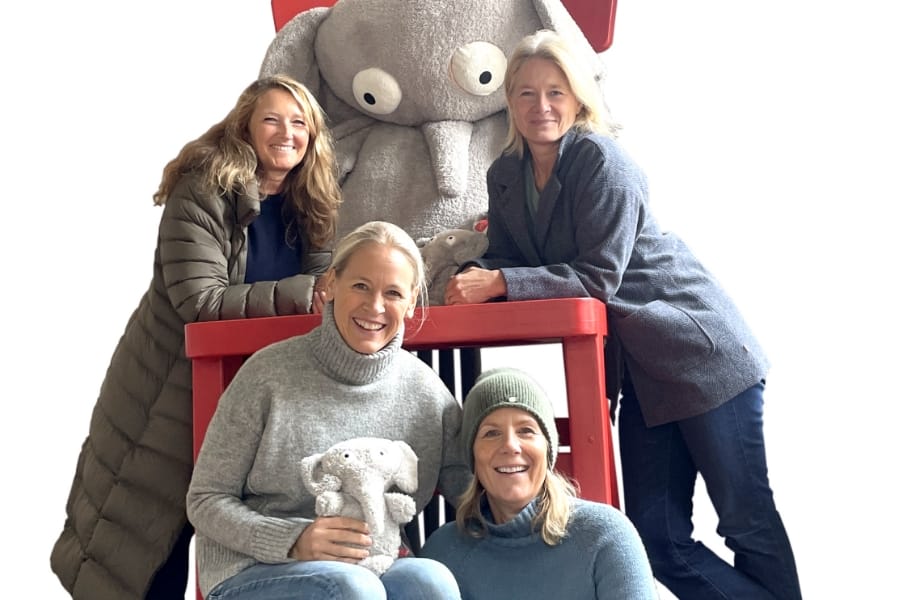
Our team is deeply committed to supporting you and goes above and beyond to help. We’re happy to answer your questions and are here for you.